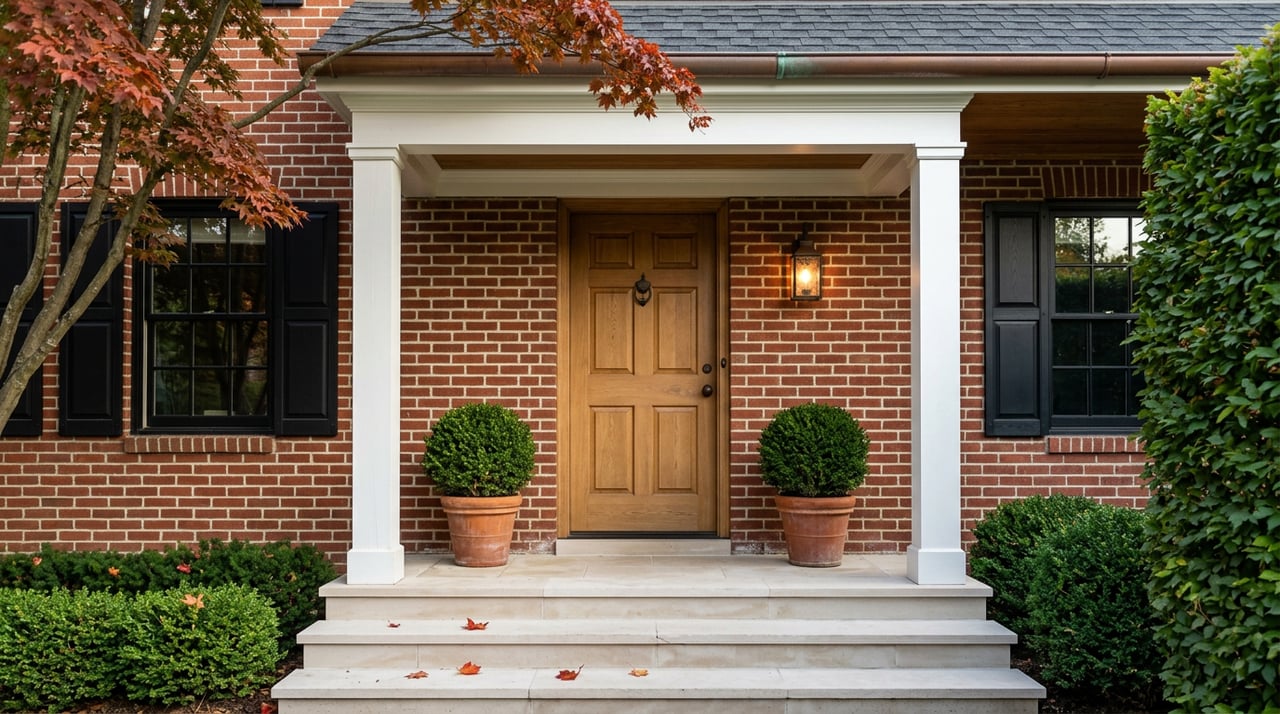
If you are searching for a home in an Alpharetta gated community, it is easy to focus on the gate itself. Privacy, controlled access, and polished neighborhood presentation can be appealing, especially in a market where homes remain in demand. But in Alpharetta, gated living covers a wide range of home types, price points, and ownership structures, so the smartest move is to look beyond the entrance and understand what you are really buying. Let’s dive in.
Alpharetta gated living in context
Alpharetta remains one of the higher-priced markets in metro Atlanta. Recent market data shows a median sale price of about $764,542 over the three months ending May 2026, while Zillow estimates a typical home value of $729,464.
That larger market helps explain why gated inventory here is so varied. Current search data shows around 100 gated homes for sale on Redfin with a median listing price of $780,000, while Zillow shows 78 gated results. Listings range from roughly $379,000 townhomes to estates priced near $6 million.
The big takeaway is simple: in Alpharetta, “gated” is not one single category. It can mean a townhome community, a private-acre property, a club-oriented neighborhood, or a luxury estate setting.
What the gate really means
A gate can shape your day-to-day experience, but it does not tell you everything about value. In Alpharetta, current listings show gated homes with features such as cul-de-sac settings, renovated interiors, heated pools, large floor plans, and private acreage.
That means the gate usually comes as part of a broader package. Lot size, home age, finish level, amenities, and the neighborhood’s operating structure may matter just as much as controlled access.
This matters even more in a suburban market like Alpharetta. Redfin gives the city a Walk Score of 22, so most buyers are not choosing gated communities here for urban walkability. They are often choosing them for privacy, structure, and amenities.
Why HOA details matter so much
In Alpharetta, many gated communities are tied to homeowners associations, and the City of Alpharetta notes that it works closely with HOAs and neighborhood organizations to share road-project updates and public meeting information. In other words, HOA governance is a normal part of neighborhood life here, not a rare exception.
For you as a buyer, that means the association is not a background detail. It is part of the ownership experience and part of the financial picture.
Georgia’s 2026 Property Owners’ Bill of Rights Act defines an association’s governing documents as the declaration, bylaws, articles of incorporation, and board rules. The same law defines regular assessments as dues used for operating costs like common-area maintenance, utilities, landscaping, and reserve contributions.
The law also separates regular dues from special assessments and specific assessments. That distinction matters because normal dues and one-time charges can affect your total cost of ownership in very different ways.
Questions to ask about access
Not every gated neighborhood operates the same way. Before you buy, ask how access is actually managed and what that means for your daily routine.
Some useful questions include:
- Is the community fully gated, guard-gated, or simply access-controlled?
- How are guests admitted?
- How are package deliveries and service providers handled?
- What is the process for emergency access?
- Are there limits on entry hours or visitor procedures?
A beautiful entry can create a strong first impression, but the practical details matter. If you entertain often, travel frequently, or rely on vendors, access procedures can affect convenience more than you might expect.
Questions to ask about maintenance
A gate, roads, lighting, landscaping, and shared spaces all have to be maintained. In most gated communities, those costs are folded into the association structure.
Under Georgia’s 2026 law, association operating costs can include common-area maintenance, utilities, landscaping, and reserve contributions. That gives you a useful framework for reviewing what the dues are supposed to cover.
Ask for clarity on items such as:
- Gate hardware and repairs
- Private road maintenance
- Street lighting
- Landscaping of entry features and common areas
- Security or monitoring systems
- Reserve funding for future repairs and replacements
The more complete the maintenance structure, the more important it is to understand whether the current budget is keeping pace with real costs.
Questions to ask about dues and assessments
Monthly or quarterly dues are only part of the picture. You should also ask whether the community has planned or possible special assessments.
Georgia law distinguishes regular assessments from special assessments, which may be used for legal costs, major repairs, renovations, or capital projects. In a gated community, those projects could include resurfacing private roads, replacing gate systems, updating lighting, or other nonroutine work.
Before you commit, ask:
- What do regular dues cover today?
- Have dues increased recently?
- Are any capital projects planned?
- Has the community discussed a special assessment?
- How strong are the reserves?
A lower monthly due can look attractive at first. But if reserves are weak, that lower number may not tell the full story.
Questions to ask about rules and enforcement
In a managed neighborhood, rules are part of the value proposition. They can also affect your flexibility as an owner.
That is why you should review the governing documents carefully. In Georgia, those documents include the declaration, bylaws, articles of incorporation, and board rules.
As you review them, focus on practical ownership issues such as:
- Architectural approval requirements
- Exterior modification rules
- Parking restrictions
- Rental limitations
- Fine authority and violation procedures
- Dispute procedures
Georgia’s 2024 General Statutes summary notes that the state strengthened certain enforcement methods and meeting procedures. For buyers, the key point is that enforcement authority is not theoretical. It can directly shape how the community operates.
Questions to ask about financial transparency
A well-run community should be able to provide a clear picture of its finances. In a gated neighborhood, this is especially important because access systems and common-area features can be expensive to maintain.
Georgia’s 2026 law requires associations to register with the Secretary of State to operate, file governing documents and a recent financial statement, and maintain records tied to assessments, fines, fees, liens, and foreclosures. Most of these provisions become effective on January 1, 2027, with one section effective July 1, 2026.
The law also gives owners access to certain records and insurance information on written demand. For a buyer, that supports a deeper due diligence process.
Ask to review:
- The current operating budget
- Reserve information
- Any recent financial statement
- Insurance details
- Pending large repairs or projects
- The association’s overall record-keeping and governance practices
If the financial picture feels unclear, that is worth slowing down for.
School zoning should be verified by address
If school assignment matters to your search, verify it by the specific property address. Fulton County Schools says its Operational Planning division maintains attendance-zone maps and directs buyers to the district’s address-based “Find My School” locator.
The district also notes that redistricting can change zone boundaries. That means you should treat school zoning as an address-level verification step, not a neighborhood assumption.
How to think about resale value
Because Alpharetta gated homes span such a broad price range, resale positioning matters. One property may compete as a premium estate, while another may compete as a value-oriented gated townhome.
Current data shows gated listings with a median listing price around $780,000, compared with broader Alpharetta market numbers in the low-to-mid $700,000s. That does not mean every gated home commands the same premium. It means the market is sorting homes by a mix of access, property type, condition, location, and amenities.
When you evaluate resale potential, think about:
- Whether the home is priced within its true competitive set
- How the dues compare with nearby alternatives
- Whether the community’s rules support broad future buyer appeal
- The condition of shared infrastructure and amenities
- The overall lifestyle package beyond the gate
In many cases, the strongest resale story comes from the total package, not the gate alone.
A practical buyer mindset
If you are drawn to Alpharetta gated communities, that instinct may be right for your goals. Controlled access, shared upkeep, and a more managed neighborhood environment can be a strong fit for many buyers.
Still, the best purchase decisions usually come from understanding the full operating structure behind the entrance. The gate may be what gets your attention, but the documents, dues, reserves, rules, and long-term maintenance plan are what shape ownership over time.
In a market as varied as Alpharetta, careful due diligence is what turns a beautiful showing into a confident decision. If you want a discreet, strategic approach to evaluating gated homes in Alpharetta, Andrea Seeney can help you assess the property, the community structure, and the bigger market context with clarity.
FAQs
What should buyers review before purchasing in an Alpharetta gated community?
- Buyers should review the governing documents, dues structure, reserve information, maintenance responsibilities, access procedures, and any planned special assessments.
How much do homes in Alpharetta gated communities cost?
- Current gated listings in Alpharetta range from about $379,000 for some townhomes to around $6 million for high-end estates, with Redfin showing a median listing price near $780,000.
Are HOA dues important in Alpharetta gated neighborhoods?
- Yes. Georgia law defines regular assessments as dues used for operating costs such as common-area maintenance, utilities, landscaping, and reserve contributions, so dues are a key part of ownership cost.
How can buyers verify school zoning for an Alpharetta home?
- Fulton County Schools directs buyers to verify school assignment by address through its attendance-zone mapping and school locator tools, since zone boundaries can change.
Do all Alpharetta gated communities offer the same lifestyle?
- No. Current listings show that Alpharetta gated communities include townhomes, single-family homes, private-acre properties, and club-oriented homes, so the lifestyle and ownership structure can vary widely.