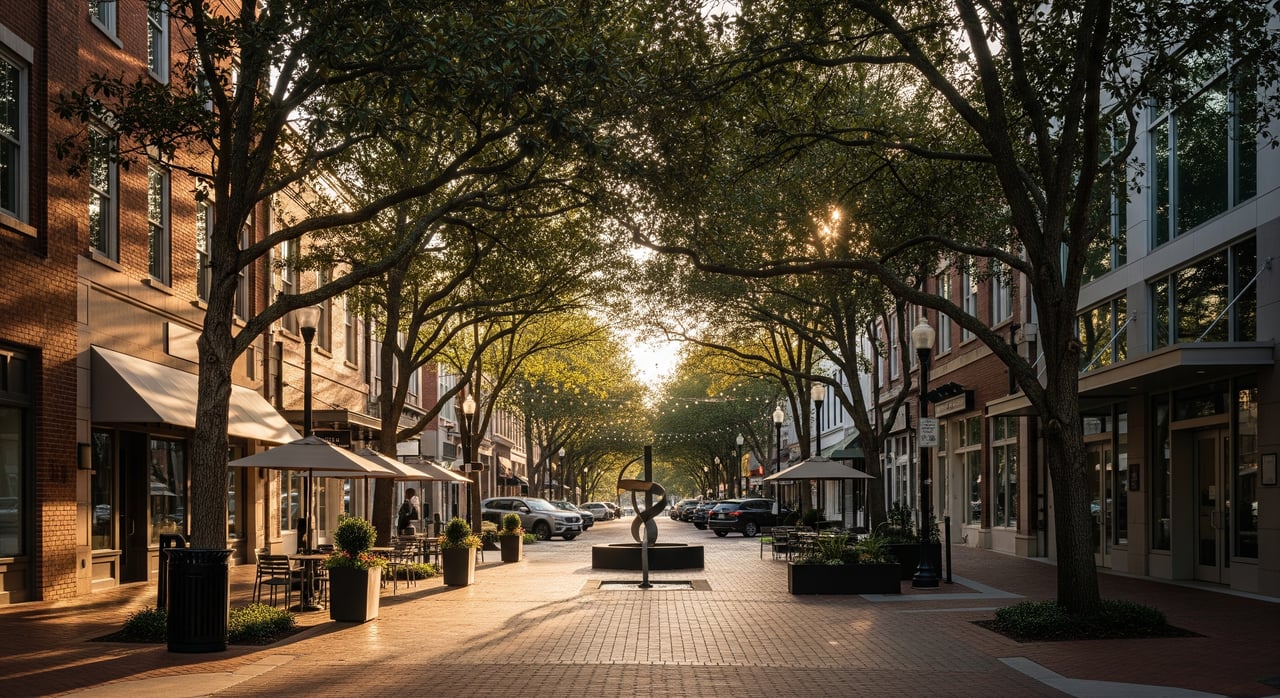
What if your morning coffee, evening concert, and favorite trail were all a short stroll from your front door? If you are picturing that lifestyle, Downtown Alpharetta offers a compact, walkable core with historic charm and modern convenience. You get an easy rhythm during the week and an energetic dining scene on weekends, all without sacrificing access to green space or quick drives to daily needs. In this guide, you will learn how walkability works block by block, what the local amenities feel like, and the housing types that fit an in‑town lifestyle. Let’s dive in.
Why downtown Alpharetta stands out
Downtown Alpharetta blends historic Main Street storefronts with newer mixed‑use buildings around City Center Park. You will see locally owned restaurants, neighborhood pubs, wine bars, and boutique shops that give the area a small‑town feel during the day and a lively, not late‑night, vibe on weekends. This is the most pedestrian‑oriented part of the city, which makes it a popular choice for professionals, downsizers, and anyone who wants a walkable home base.
Step outside the core and you move into lower‑density streets with townhomes, cottages, and single‑family neighborhoods. Many errands are still quick, yet some will require a short drive depending on your exact address. That balance is part of the appeal, since you can enjoy walkable dining and events while keeping access to larger stores and services within minutes.
Walkability and daily rhythm
Within the core, sidewalks, crosswalks, and short blocks make it simple to go from coffee to lunch to an evening show. You can often walk 5 to 10 minutes to a cafe, then another few minutes to dinner or a boutique. Outside the core, walkability varies by block. If a fully car‑free lifestyle is important, you will want to verify walk times for your specific address.
Groceries and larger errands are usually a quick drive, although some specialty markets and daily services sit within the downtown grid. Many residents enjoy a routine where the weekday morning starts with a stroll to a bakery or coffee shop, midday brings a walkable lunch, and evenings shift to City Center Park for fresh air. Weekend plans often include live music, festivals, and dining with friends.
The nearby Ameris Bank Amphitheatre adds another layer. While it is not in the heart of downtown, it brings regional touring acts within a short drive. On show nights, you may notice more activity in the area, which locals view as part of the entertainment fabric that keeps the city dynamic.
Getting around and commuting
Alpharetta is primarily auto‑oriented for commuting. GA‑400 provides direct access to North Fulton employers and connects you to the Perimeter and central Atlanta corridor. Many residents appreciate that they can keep a walkable lifestyle for evenings and weekends while still enjoying a straightforward drive for work.
Public transit options exist in the area, including commuter buses, but they are limited compared with inner‑city systems. MARTA rail does not currently serve Downtown Alpharetta. If you rely on transit, it is wise to review current regional schedules and plan your commute around available routes.
Parking is usually manageable for day‑to‑day errands. You will find on‑street metered spaces, municipal lots, and structured parking in newer buildings. During festivals or peak weekend dining, parking can tighten, so residents often leave the car at home and walk if they live in the core.
Parks, trails, and green space
City Center Park sits at the heart of downtown activity, offering green space for a quick break, outdoor events, and community gatherings. It creates a natural meeting spot that anchors the City Hall area and supports the outdoor concerts and seasonal markets that define the local calendar.
If you are active, the Big Creek Greenway is the star amenity. The multi‑use trail links walkers, joggers, and cyclists to miles of scenery and connects to parks across nearby communities. Many residents combine a morning Greenway run with a walkable lunch downtown, which makes daily fitness feel seamless.
Wills Park and Webb Bridge Park add variety with sports fields, an equestrian center, and more expansive recreation facilities. They are a short drive from the core, which gives you the best of both worlds, a pedestrian‑friendly center and quick access to larger park systems.
Dining, shopping, and entertainment
Downtown Alpharetta’s culinary scene is led by independent restaurants and casual eateries. You will find wine bars for date night, neighborhood pubs for a game, and chef‑driven kitchens that anchor the weekend dinner circuit. Sidewalk seating and human‑scale blocks make it easy to sample multiple spots in one outing.
Boutique retail and personal‑service shops add to the everyday convenience. Fitness studios, salons, and specialty food shops let you fit errands between coffee and dinner without hopping in the car. Seasonal events create a steady rhythm of activity, from outdoor concerts to markets that showcase regional vendors.
Nearby Avalon is a separate walkable destination that rounds out your options with national retailers and higher‑end dining. Many downtown residents split time between the two areas, enjoying the independent character of Main Street during the week and heading to Avalon when they want major brands or a different scene.
Housing options near the core
You will see several housing types in and around downtown. Condominiums and small to mid‑rise apartment buildings anchor the most walkable blocks. Inventory is limited, and the lifestyle commands a premium for location and convenience. Expect structured parking, guest policies, and HOA rules that help maintain building standards.
Townhomes are common along nearby corridors and in infill developments. They work well for buyers who want low‑maintenance living, attached garages, and easy access to restaurants and events. HOA fees and community guidelines vary, so it helps to review what is covered and how guest parking, short‑term rentals, and exterior changes are handled.
Cottages and historic homes line parts of the downtown grid and bring character with smaller lots. If you prefer a single‑family neighborhood and a bit more space, you will find those options a short drive from the core. In general, downtown living is a lifestyle choice. You pay more per square foot to be close to dining, parks, and events, and you trade larger yards for walkable convenience.
What to consider before you buy
- Noise and activity. Living close to Main Street means more foot traffic, periodic events, and weekend buzz. Visit during daytime, evening, and weekends to test your comfort level.
- Parking and storage. Many in‑town homes use assigned or structured parking. If you have multiple vehicles or need extra storage, confirm your options and any HOA restrictions.
- HOA and condo policies. Review fees, what they cover, rental caps, pet rules, and guest parking. These details can shape day‑to‑day life and long‑term resale appeal.
- Commute and errands. Map your routes to work, school, grocery stores, and the Greenway. Walk a few typical paths to see how the neighborhood functions for your routine.
Is downtown Alpharetta right for you
If you want a low‑maintenance home base that puts restaurants, parks, and events within easy reach, downtown Alpharetta makes daily life feel simple. Professionals value the proximity to the North Fulton office corridor. Many downsizers appreciate trading yard work for a lock‑and‑leave lifestyle that keeps them close to friends and entertainment.
If you need a larger yard or prioritize a particular school boundary, a nearby single‑family neighborhood may be a better fit. The advantage of Alpharetta is that you can choose a walkable address in the core or live a few minutes away and still enjoy downtown whenever you like.
How a local advisor helps
Buying in the core requires careful evaluation of lifestyle trade‑offs and building‑specific details. A knowledgeable advocate helps you weigh HOA structures, guest parking, storage capacity, and noise patterns by street. You also benefit from insight on upcoming development, seasonal event calendars, and how different blocks live at night versus day.
If you are exploring a purchase or planning a sale near the core, partner with someone who brings deep North Fulton expertise, a boutique service model, and skilled negotiation. That combination protects your time and helps you secure the right fit with confidence.
Ready to explore Downtown Alpharetta living with a trusted guide? Connect with Andrea Seeney to Request a Confidential Consultation.
FAQs
How walkable is Downtown Alpharetta for daily errands
- The downtown core is pedestrian‑friendly with short blocks and sidewalks, though many full grocery trips still require a short drive depending on your exact address.
What should I expect to spend near the core
- Downtown homes often carry higher per‑square‑foot pricing than outer suburbs because you pay for proximity to restaurants, events, and parks, and inventory is limited.
Is public transit a practical option for commuting from downtown
- Most residents rely on a car; MARTA rail does not currently serve Downtown Alpharetta and commuter bus options are more limited than inner‑city systems.
Where will I park if I live downtown
- Expect a mix of on‑street meters, municipal lots, and building garages, with tighter conditions during festivals and peak weekend dining.
What parks and trails are closest to Downtown Alpharetta
- City Center Park anchors the core and the Big Creek Greenway offers a major multi‑use trail network, with Wills Park and Webb Bridge Park a short drive away.
Which housing types are common near Downtown Alpharetta
- You will find condos and small to mid‑rise buildings in the core, townhomes along nearby corridors, cottages and historic homes in the grid, and larger single‑family options a short drive away.