Imagine locking your front door, strolling to dinner on Canton Street, then catching a show without touching your car keys. If you travel often, juggle long hours, or simply want less upkeep, that picture is probably your goal. You want true convenience, real walkability, and a home that takes care of itself while you are away. In this guide, you will learn where that lifestyle works near Downtown Alpharetta, what these condos and townhomes typically offer, and the fine print to review before you buy. Let’s dive in.
Why Alpharetta fits lock-and-leave
Downtown Alpharetta offers genuine walkability in the core blocks around North Main and Canton Street. Central Main Street addresses post Walk Score levels consistent with Very Walkable, which means many errands and nights out are practical on foot. You can review a representative score for the core area on this Walk Score map of Downtown Alpharetta.
Avalon adds another upscale, close-by destination for dining, shopping and events. The 86-acre mixed-use setting is a major draw for buyers who want options a short drive or bike ride away. Explore the experience at Avalon’s official site.
Greenspace and trails round out the lifestyle. The Big Creek Greenway offers miles of multi-use paths, and the city’s Alpha Loop project improves connectivity between Downtown and Avalon for walking and biking. Get an overview of the route and access points on the Big Creek Greenway page.
Year-round events keep Downtown lively. The farmers market, seasonal festivals, and headliner shows at Ameris Bank Amphitheatre sustain steady foot traffic and local energy.
What lock-and-leave looks like here
Boutique condos near Main Street
You will find low-rise, boutique condo buildings with secured entry, assigned or covered parking, and modern interiors. Many highlight keyless access, elevator service, and HOA-managed exterior maintenance as baseline features. These setups aim for turnkey living, with a quick walk to restaurants and shops.
Luxury townhomes and cityhomes
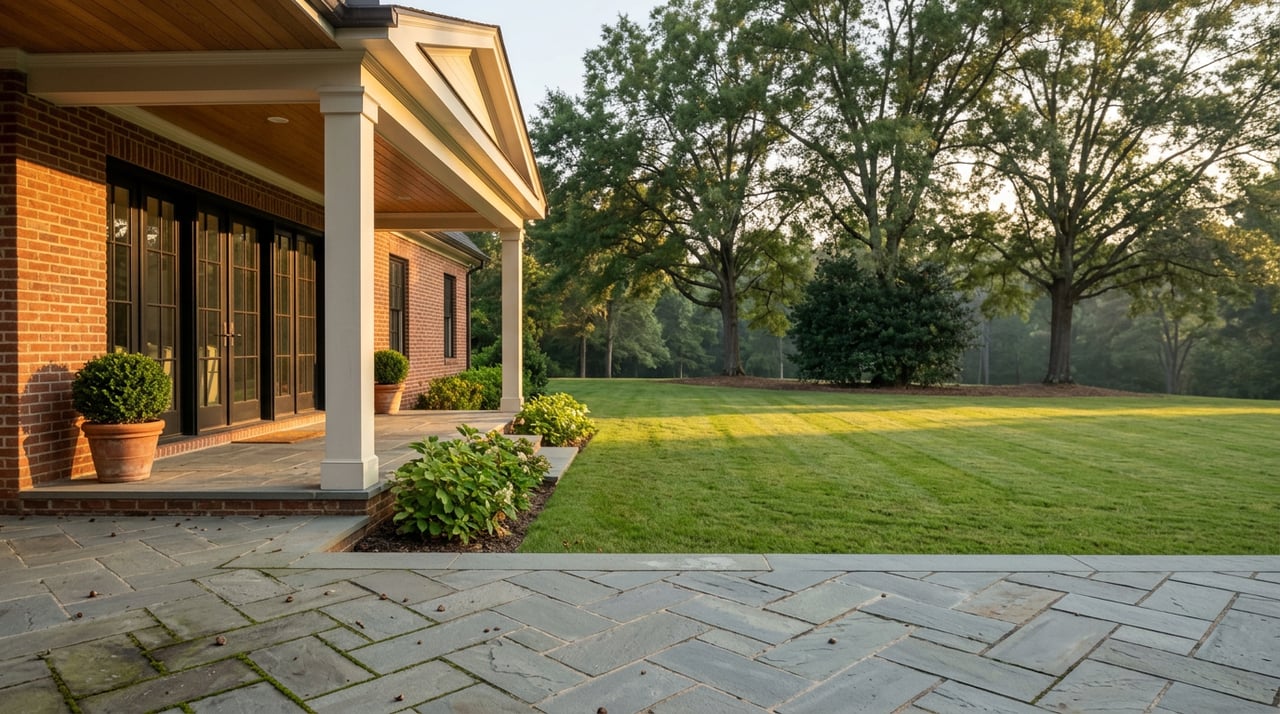
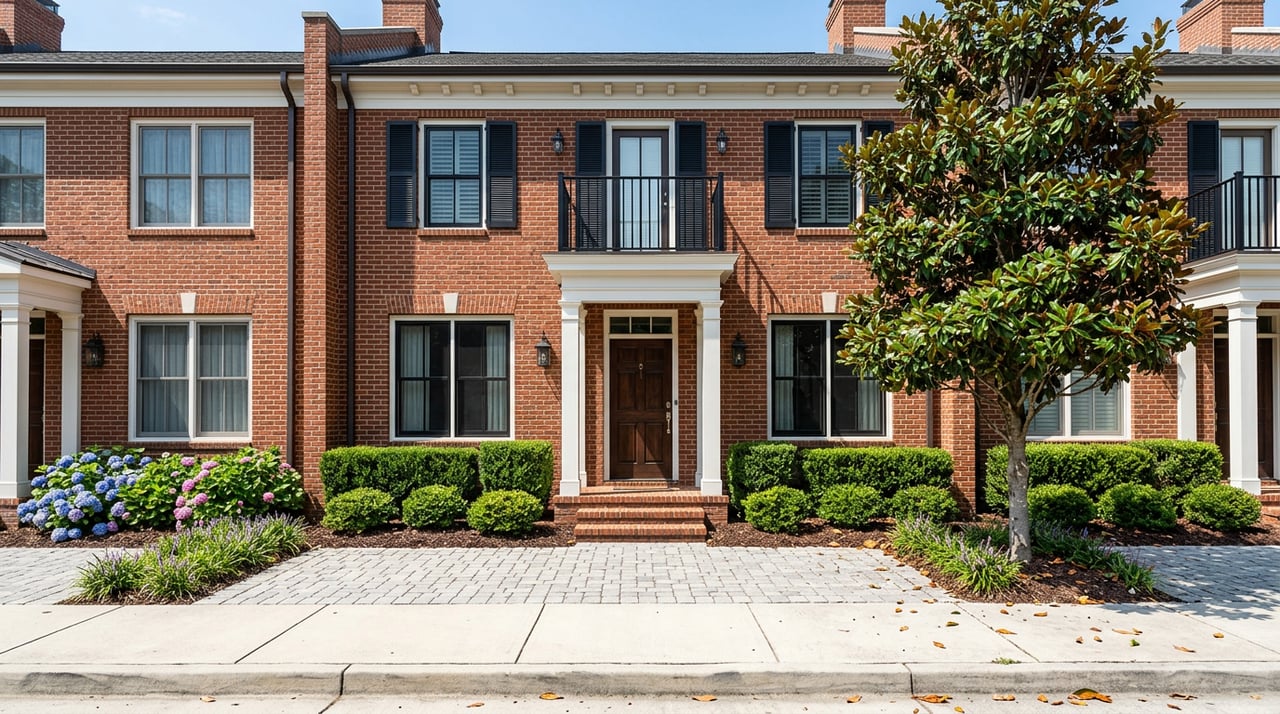
Attached townhomes within a short walk of Downtown often deliver two-car garages, multiple levels with flex space, and some combination of patios, small yards, or rooftop decks. Exteriors and landscaping are commonly maintained by the HOA. This format appeals to buyers who prefer garage parking and a bit more private space than a typical condo.
Pricing and monthly fees
Citywide, a recent snapshot shows a median sale price around the high hundreds of thousands, roughly 719,000 dollars. Downtown condos and townhomes can price above or below that number based on size, finishes, and parking. In boutique condo buildings, monthly HOA dues commonly fall in the mid-hundreds, then rise with amenities like concierge, security, or extensive common areas.
Daily life and driving
Regionally, Alpharetta is car-oriented. GA-400 is the main commuter route into Atlanta, and many residents rely on it for work and airport access. Public transit typically involves park-and-ride or transfers, so the lock-and-leave benefit here is more about walkable evenings and weekends than car-free living.
Trade-offs to weigh before you buy
HOA structure in Georgia
In Georgia, the association’s recorded Declaration and Bylaws control day-to-day obligations. Two state statutes set the framework. For many planned communities, the Georgia Property Owners’ Association Act outlines assessment and governance powers. You can review the statute here: O.C.G.A. §44-3-220. For condominiums, the Georgia Condominium Act, O.C.G.A. §44-3-70 governs how assessments, notices, and common elements are handled.
The practical takeaway is simple. Read the actual documents so you know who pays for roofs, exterior siding, parking structures, private roads, and master insurance. Do not rely on assumptions, summaries, or past practice.
Fees, reserves, and special assessments
HOA and condo fees cover items like landscaping, exterior repairs, master insurance, management, and amenities. The amount varies widely by building and amenity level. What matters most is the health of the reserve fund and the age of major components.
Lenders pay close attention to reserves for condos. Fannie Mae’s project standards emphasize adequate reserve funding or a recent reserve study for many approvals. That means you should request the budget, latest reserve study, and any special assessment history early. For a reference on project reviews, see Fannie Mae’s Project Eligibility Review Service.
Insurance checklist for condos vs townhomes
Condo owners typically carry an HO-6 policy that covers interior finishes, personal property, and liability, while the association insures common elements through a master policy. Your exposure depends on whether the master policy is bare walls, walls-in, or all-in, and on the deductible size. A quick primer is here: What an HO-6 policy covers.
If you travel often, add Loss Assessment coverage to help protect against your share of a covered claim when the master policy deductible or limit triggers an owner assessment. Confirm master policy details and deductibles before binding your HO-6.
Privacy, noise, and storage
Attached living trades yard space for convenience. Expect shared walls and closer neighbors. Sound transmission, elevator placement, package rooms, and garage door locations all affect the day-to-day feel. Ask for a unit-level floor plan and, if possible, visit during peak delivery hours.
Financing and resale realities
Warrantability and your buyer pool
Financing a condo is not the same as a single-family home. Many conventional loans depend on project-level reviews that check owner-occupancy ratios, single-entity ownership, litigation, insurance, and reserves. Projects that do not meet these standards can be labeled non-warrantable, which can limit loan options and reduce your future buyer pool. Review basics through Fannie Mae’s guidance on project eligibility, and have your lender assess the building early.
Local liquidity drivers
Resale timing varies with supply in your specific building and nearby comparables. HOA dues, reserve strength, insurance terms, litigation status, and warrantability can all speed up or slow down demand. In short, building health matters as much as unit finishes when you plan for resale.
Who benefits most, and what to ask
Frequent travelers and second-home owners
- Is there secure, keyless entry and reliable package delivery or concierge management?
- Who handles emergencies when you are away, and what are the HOA’s vendor protocols?
- What is the master insurance deductible, and do you have enough Loss Assessment coverage on your HO-6?
Busy executives and commuters
- How quickly can you reach GA-400 at peak times, and is garage parking assigned and covered?
- Are there quiet workspaces in the unit, and how is sound managed around elevators or garages?
- What are the rules for minor alterations if you plan a built-in office or EV charger?
Downsizers and right-sizers
- Is there elevator access to the unit and step-free entry from parking?
- How much private storage is deeded, and are there limits on cage or locker additions?
- Are pet, rental, and guest policies aligned with how you plan to live and host?
Your due diligence checklist
Request these items before you write an offer. They will save time, stress, and money.
- Association Declaration, CC&Rs, and Bylaws. Confirms who maintains roofs, exteriors, roads, parking, and mechanicals. See Georgia’s POAA framework at O.C.G.A. §44-3-220 and condominium framework at O.C.G.A. §44-3-70.
- Current operating budget and the latest reserve study or year-end financials. You want adequate reserves and a clear plan for major replacements. Lender reviews often look for these, as described in Fannie Mae’s project standards.
- Master insurance certificate and summary. Confirm policy type, coverage limits, and deductibles, then align your HO-6. For context, review this HO-6 overview.
- Board minutes for the last 12 months and any litigation disclosures. Ongoing disputes may affect financing and resale.
- Resale or estoppel letter. Verifies monthly dues, any delinquencies, and pending or approved assessments.
- Owner-occupancy percentage, investor-owned units, and any single-entity ownership concentration. These metrics impact warrantability and buyer financing.
- Rental, short-term rental, and pet policies. These rules shape lifestyle and future demand.
- Parking and storage allocations. Confirm the number of deeded or assigned spaces, guest parking rules, EV allowances, and storage lockers.
Bottom line
Lock-and-leave luxury near Downtown Alpharetta is more than a marketing phrase. The walkable core, Avalon’s amenities, and nearby trails make it a practical lifestyle for travelers, executives, and many downsizers. The key is to treat each building like its own ecosystem. Review the HOA’s legal documents, reserves, insurance, and financing profile, then weigh those details against your daily routine.
If you want a low-maintenance home that supports a high-performance life, a careful, document-first approach will get you there with confidence. For tailored guidance and private sourcing around Downtown Alpharetta, connect with Andrea Seeney to Request a Confidential Consultation.
FAQs
What does “lock-and-leave” mean in Alpharetta?
- It refers to condos and townhomes near Downtown where secured access, HOA-managed exteriors, and walkable amenities make it easy to travel without worrying about upkeep.
How walkable is Downtown Alpharetta for daily errands?
- Central Main Street blocks rate as Very Walkable on Walk Score, with many dining and shopping options within a short stroll.
How do HOA fees and reserves affect buyers of condos and townhomes?
- Fees fund maintenance and insurance, while healthy reserves reduce the risk of large special assessments and support smoother loan approvals.
What insurance do I need for a condo compared with a townhome?
- Most condo owners carry an HO-6 policy for interiors and liability while the association insures common elements; confirm master policy type and deductibles.
How does condo warrantability impact financing in Alpharetta?
- Non-warrantable projects can limit conventional loan options and shrink the buyer pool, so have your lender review the building’s eligibility early.