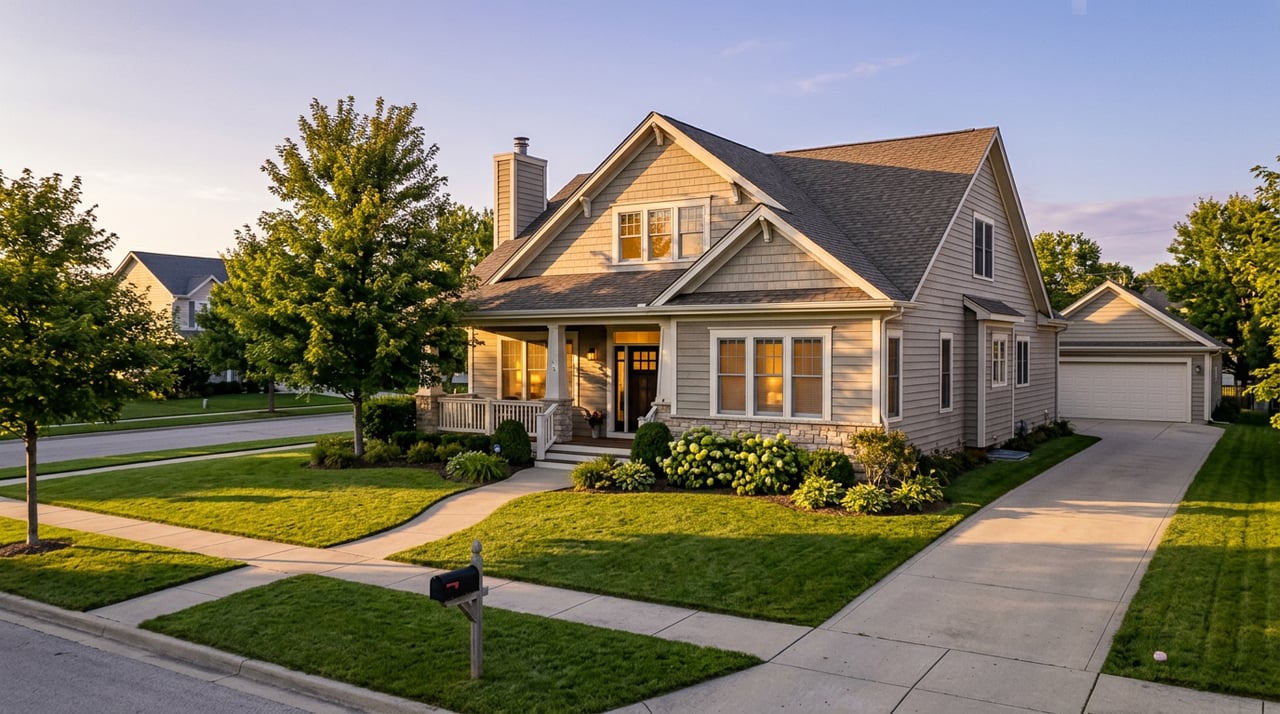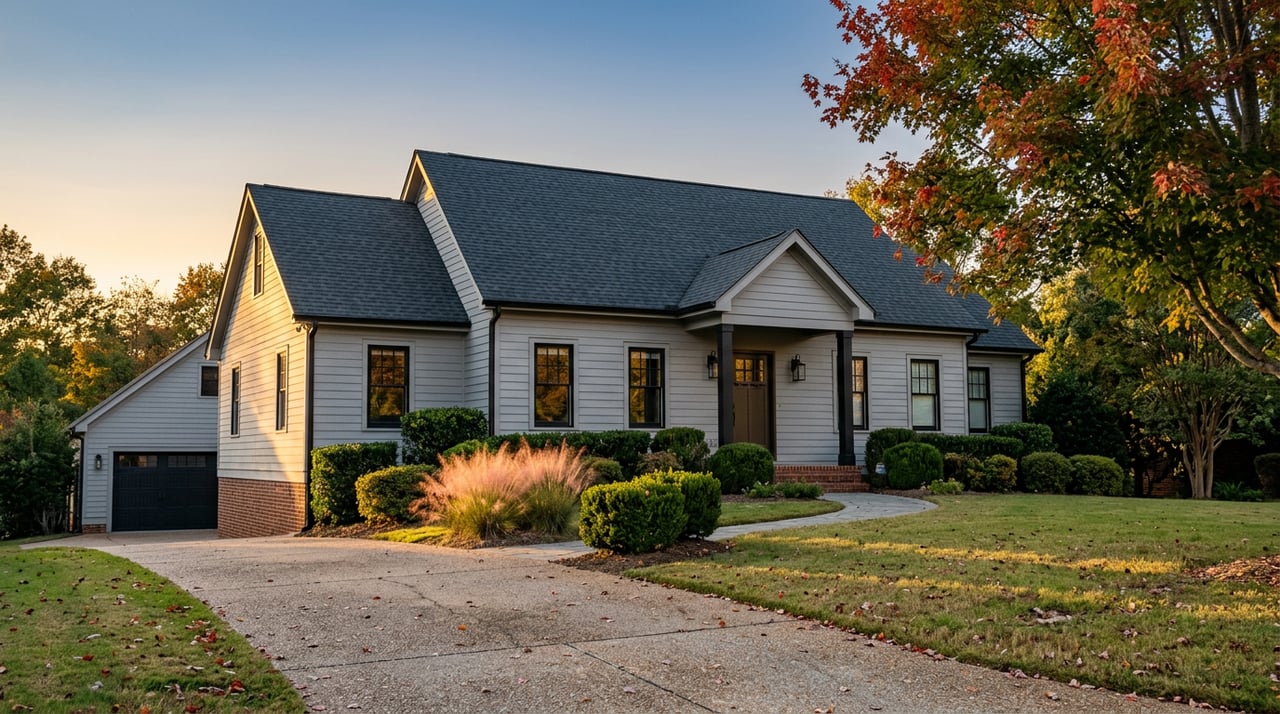
Scroll through active listings in Alpharetta's townhome and condo stock right now and the same phrase keeps surfacing: "NO RENTAL RESTRICTIONS!" It shows up in the same breath as low HOA dues and a five-minute walk to Avalon, pitched as a green light for anyone weighing an investment purchase. Communities like Haynes Park and Steeplechase use it as a headline feature.
The phrase is accurate as far as it goes. It describes what a homeowners association will and won't police under its own covenants. It says nothing about what the City of Alpharetta requires before that same unit can legally host a paying guest for a stay under thirty days. An HOA that stays silent on rentals and a city that licenses, caps, and taxes them are two separate permission structures, and only one of them tends to show up in the listing description.
The layer the HOA can't waive
Alpharetta adopted Ordinance No. 881 in January 2025, after more than a year of hearings that started with a draft modeled on Forsyth County's rules. The ordinance created a licensing system that sits on top of whatever a subdivision's covenants say, and it applies whether or not the HOA has ever mentioned short-term rentals at all.
The core mechanics:
| Requirement | What the ordinance sets |
|---|---|
| License | Annual, $500, non-transferable, renews by January 31 |
| Density cap | 5% of a platted subdivision's homes, or one home, whichever is greater |
| Location rule | Cannot sit next door to or on the same street as another licensed short-term rental |
| Local contact | Two contacts required, reachable 24/7, able to respond on-site within three hours |
| Lodging tax | 8% excise tax, with a 3% discount if remitted by the 20th of the following month |
| HOA affidavit | A sworn statement that the property's covenants don't prohibit the use, required for any home in a platted subdivision |
That last line is the one buyers skip. A quiet HOA declaration isn't proof of eligibility under the city code. The license application asks for an affidavit affirming the covenants don't prohibit short-term rental use, which means a title search or a plain reading of the CC&Rs becomes part of due diligence even when the seller's disclosure says nothing about rentals one way or the other.
Why the cap exists at all
Before the ordinance passed, the numbers made the case for the council. In December 2024, city staff estimated 89 short-term rentals were already operating inside Alpharetta, with at least six neighborhoods already sitting above what would become the 5% threshold. Village Green, the subdivision east of downtown off Academy Street, was the example put on the record: 13.5% of its homes were functioning as rentals, more than double the cap the city was about to write into code.
Mayor Jim Gilvin described the council's goal in blunt terms, aiming to be "as reasonable as we possibly can" while balancing residents against rental owners. The tension was real enough that David Horst, an owner of several Village Green rentals, told the council he'd held off buying additional properties in the neighborhood because he couldn't predict whether he'd be allowed to rent them. That uncertainty is the exact position a buyer can walk into today if they assume a listing's rental-friendly language settles the question.
Grandfathering is not a deed covenant
Here is the detail that matters most for anyone buying with rental income in the plan. When the council debated the ordinance, members raised the question of what happens to STRs that were already operating before the cap took effect. City Attorney Molly Esswein and Community Development Director Kathi Cook told the council that grandfathering would be evaluated case-by-case and would likely hinge on evidence like prior tax payments, not on a blanket exemption. Staff committed to reporting back on how those determinations played out.
That case-by-case posture matters because the license itself is structured as non-transferable and tied to annual renewal, not to the deed. A home that operated legally as a short-term rental under a prior owner doesn't automatically carry that status to the next buyer. If the subdivision has since filled its 5% allotment, or if the new owner can't produce the paperwork a grandfathering review would ask for, the license may not follow the sale. A buyer who assumes an existing STR listing history guarantees a smooth transition is making an assumption the ordinance doesn't support.
There's a narrower carve-out worth knowing if acreage is part of the search. Alpharetta's 304 agriculturally zoned parcels, 256 of them residential, sit outside the subdivision cap entirely. Owners there apply for a conditional use permit rather than competing for density inside a platted neighborhood, a distinction that matters more for buyers eyeing larger lots than for anyone shopping the townhome inventory near Avalon.
What this looks like against current demand
The regulatory layer isn't academic. Short-term rental data for Alpharetta as of April 2026 shows an average daily rate of $182 and roughly 35% occupancy, producing average annual revenue near $27,266 per listing, with active listing count up 153% year over year. Interest is rising quickly enough that the density cap is a live constraint, not a hypothetical one. A subdivision sitting at or near its 5% ceiling today is a subdivision where a new buyer's application could be denied outright, regardless of what the HOA covenants allow.
The questions that belong in due diligence
Before writing an offer on a property marketed with rental income in mind, the ordinance points to a specific set of questions that a standard HOA resale package won't answer on its own:
- Does the subdivision have a current short-term rental license count, and is it below the 5% cap?
- Is there another licensed short-term rental next door or on the same street?
- If the seller currently holds a license, is there documentation supporting a grandfathering claim, or will the buyer need to apply as a new operator?
- Does the HOA's governing document require the sworn affidavit language the city application asks for, and has anyone confirmed the covenants are silent rather than simply unenforced?
- For agriculturally zoned land, has a conditional use permit already been issued, or would one need to be sought from scratch?
None of these questions are things a listing description settles. They're answered by contacting Alpharetta's Community Development and Code Enforcement office directly, and by reading the subdivision's covenants rather than trusting a summary of them.
A frequently asked question worth closing on
If a home I'm buying already has an active short-term rental license, can I just take it over? No. The license is structured as non-transferable and requires annual renewal by January 31. A new owner applies fresh, and if the subdivision has since reached its 5% cap, that application can be denied even though the previous owner operated legally.
Rental income projections belong in a pro forma, not a leap of faith. If a short-term rental strategy is part of why a property in Alpharetta looks attractive, that plan deserves the same scrutiny as the purchase price itself, worked through before the contract goes hard rather than after closing. Andrea Seeney can walk you through what a specific subdivision's cap looks like today and what the license application actually requires before you make an offer.