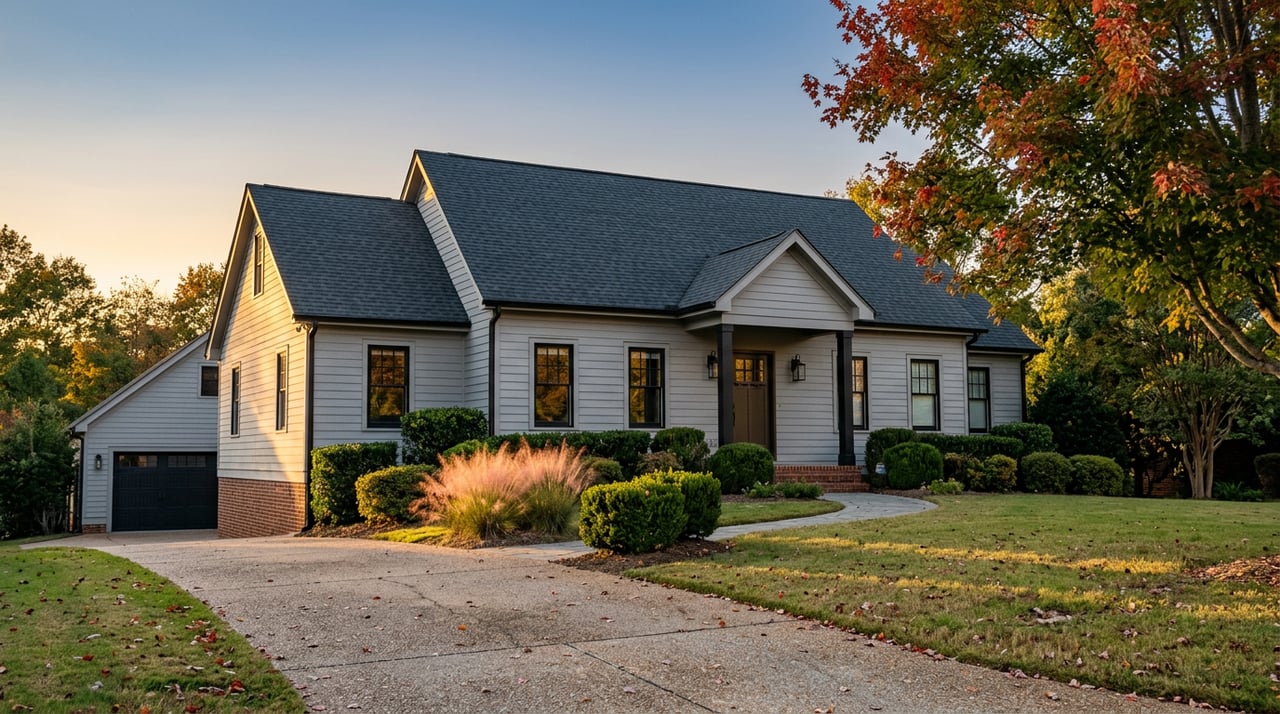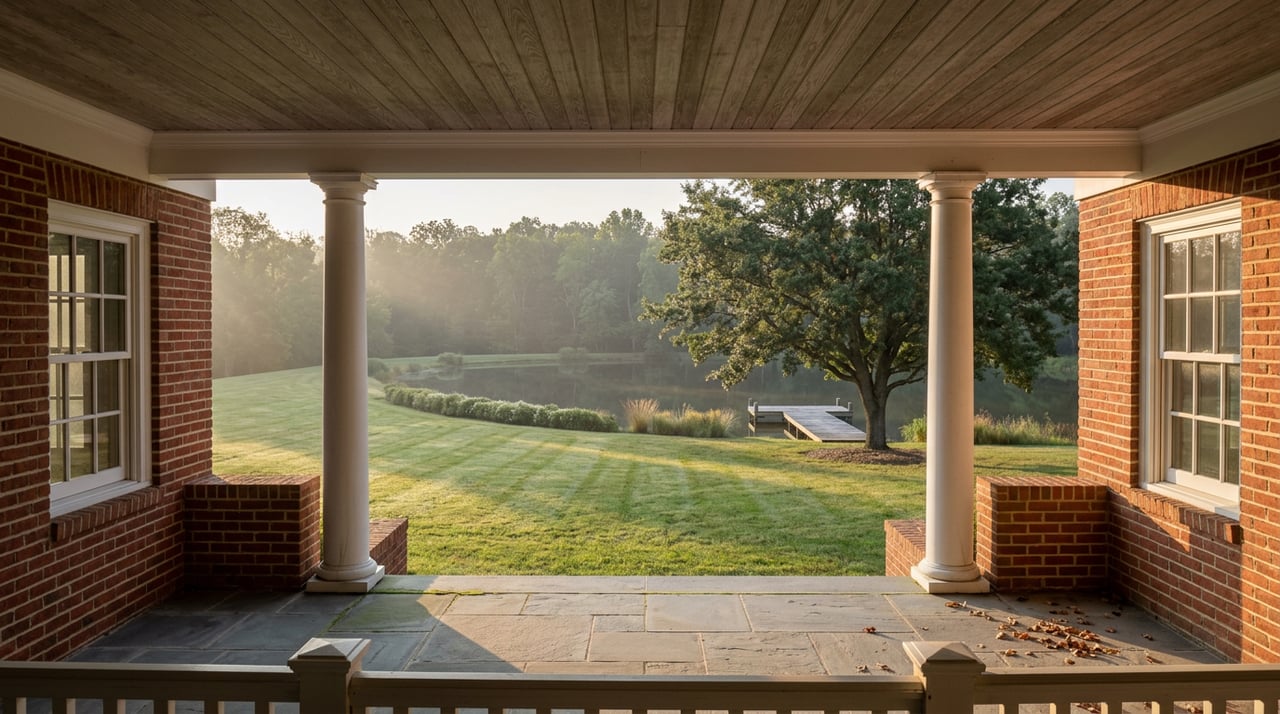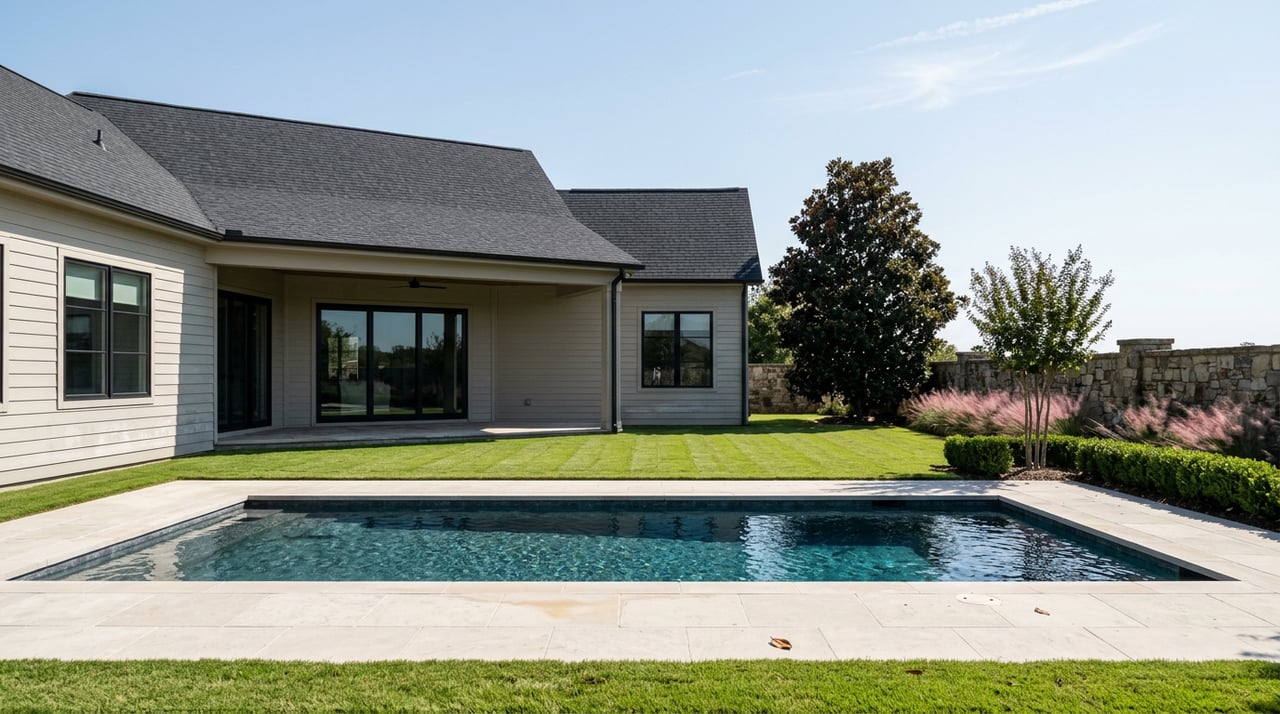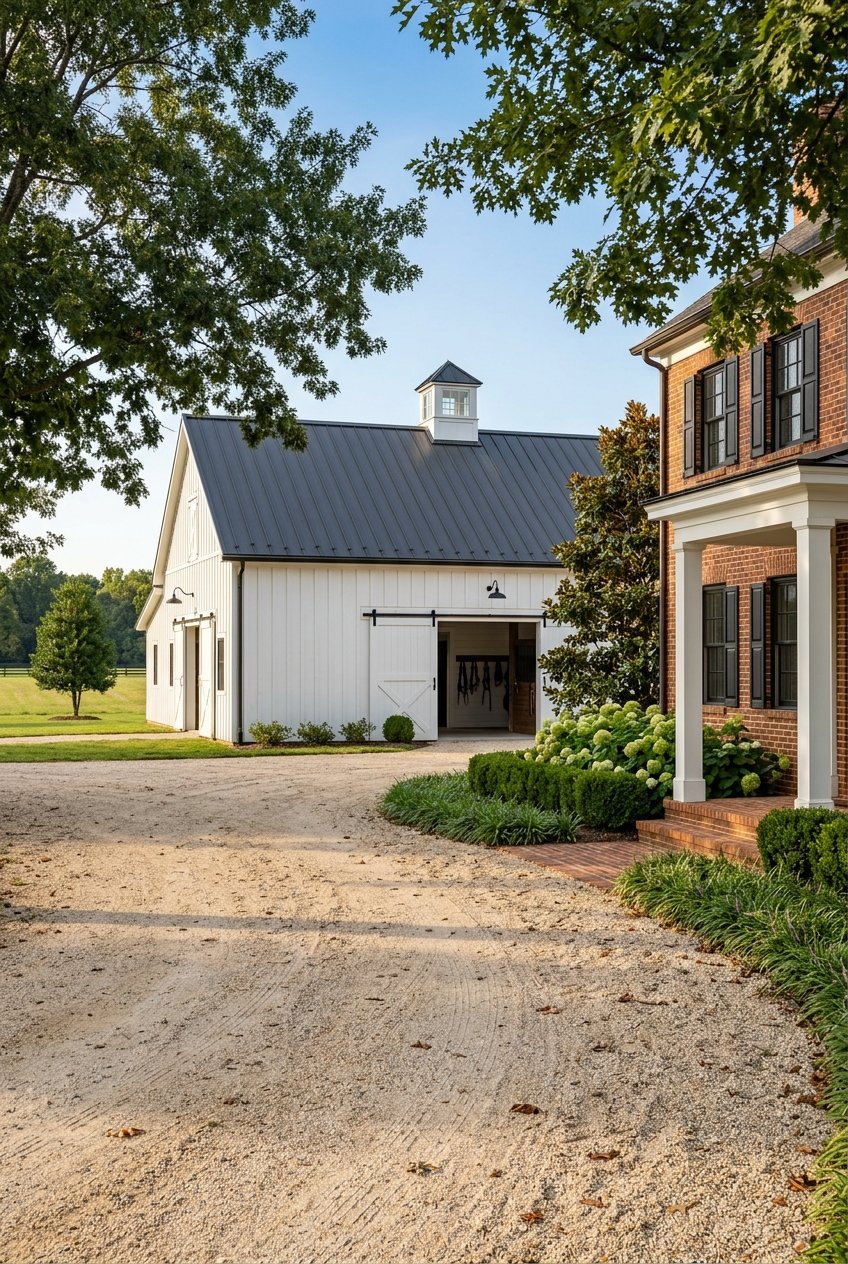
If you are picturing a horse property in Milton as a tucked-away niche, think again. Horse ownership is part of the city’s everyday identity, and that matters if you want more than a beautiful house with a barn out back. When you understand how Milton supports equestrian living, from land patterns to trail access to local rules, you can buy with much more confidence. Let’s dive in.
Milton’s equestrian lifestyle is woven into the city
Milton is not built around one isolated horse district. According to the city, there are more than 200 active horse farms, and they are spread throughout Milton rather than clustered in a single area. That gives the city a distinct feel, where horse properties are part of the landscape across neighborhoods, rural corridors, and larger residential parcels.
That broad distribution also changes how you search. Because the city does not maintain an official map of every horse farm, you cannot assume one part of Milton works the same as another. In practice, that means each property needs to be evaluated on its own land use, layout, access, and improvements.
Milton also shows clear public support for this lifestyle. The city has a formal Equestrian Committee and a riding-facilities intake process, which signals that horse ownership is part of local civic planning. For buyers, that is an encouraging sign that equestrian uses are recognized rather than treated as unusual.
Large lots shape the ownership experience
A big part of Milton’s appeal is its land. The city defines a large lot as 3 acres or more, and it has publicly explored ways to keep those parcels intact instead of seeing them subdivided. If you are looking for room for turnout, barns, trailer movement, or simply privacy, that large-lot pattern is one reason Milton stands out.
This matters because equestrian ownership depends on more than acreage on paper. You need land that functions well day to day, with enough room for horses, equipment, access, and safe circulation. In Milton, the city’s planning direction suggests a continued interest in preserving the kind of lots that support that use.
Some owners may also look into conservation-use tax treatment for qualifying agricultural land. Fulton County manages Georgia’s Conservation Use Value Assessment program, and the Georgia Department of Revenue says qualifying property is assessed at 40% of current use value and generally must remain in qualifying use for 10 years. That is not a fit for every buyer, but it is one more reason due diligence matters early.
Daily life is practical, not just picturesque
Owning an equestrian property in Milton can be beautiful, but your daily experience will be shaped by function. The most successful setups are the ones that make chores, turnout, storage, and movement straightforward. A pretty barn does not help much if the drainage is poor, the trailer access is tight, or the fencing is not suited to the property.
Local riding facilities offer a useful picture of what practical horse ownership looks like in Milton. Private properties in the area advertise features like matted stalls, turnout fields, covered and outdoor arenas, multiple pastures, trail access, wash racks, tack rooms, and daily care routines. That gives buyers a real-world benchmark for what a working horse property often includes.
When you walk a property, it helps to think beyond the house. Ask whether the turnout is usable, whether water access is convenient, whether the barn layout supports efficient daily care, and whether trucks and trailers can enter and turn safely. Those details will affect your routine every single day.
What to check on the land first
Before you fall in love with the setting, start with the land itself. Not every acreage property functions well for horses, even if it looks the part from the road. The real test is whether the site supports safe, efficient use in all seasons.
A smart review should include:
- Drainage in paddocks, barn areas, and riding spaces
- Safe fencing and gate placement
- Water access for horses and barn operations
- Trailer approach, parking, and turnaround space
- Pasture layout and usable turnout
- Room for manure handling and daily farm logistics
In Milton, this kind of checklist is especially important because horse properties are dispersed across the city. One parcel may be ready for immediate use, while another may require meaningful improvements before it works the way you need it to.
Zoning and limits matter in Milton
Milton’s equestrian appeal comes with clear rules, and buyers should know them before making plans. The city’s Unified Development Code defines equestrian fences as treated or painted wood or split-rail style fencing, allows wire enhancement in some cases, and sets a maximum fence height of 5 feet. If a property’s fencing is older or customized, it is worth checking whether it aligns with current standards.
Animal limits also matter. The city’s code enforcement guidance says that outside agricultural areas, the maximum number of horses, mules, asses, and cows allowed on a single premises is 5, with square-footage rules applying to non-AG-1 land. That is a major point for any buyer considering multiple horses on a non-agricultural parcel.
This is why zoning should be one of your first stops in due diligence. A property may look ideal at first glance, but if the zoning, acreage, or existing improvements do not support your intended use, ownership can become much more complicated than expected.
Building and improvements require a process
Many equestrian buyers want to personalize a property after closing. You may be thinking about adding a barn, expanding a ring, building a run-in shed, or grading more usable pasture. In Milton, those projects are not just design decisions. They are part of a local permitting process.
The city says its Community Development Department issues permits for construction activity, and land disturbance permits are required when a project involves 5,000 square feet or more or includes land disturbance. If a property uses septic or well systems, Milton also says owners should coordinate with Fulton County Environmental Health Services.
That process does not have to be a problem, but it does need to be factored into your timeline and budget. For higher-value estate and acreage purchases, that kind of upfront planning can protect both your investment and your long-term enjoyment of the property.
Safety is part of horse ownership here
In Milton, horse ownership includes a real safety component. The city’s fire department offers free barn safety evaluations for barn and stable owners, with guidance on fire extinguishers, alarms, sprinklers, and carbon-monoxide detection where fuel-burning appliances are present. That is a practical local resource, especially for owners of older barns or renovated outbuildings.
The city also addresses fireworks with horses in mind. Milton prohibits fireworks within 200 yards of properties that have equines year-round, and city guidance encourages owners to keep horses calm, maintain routine, and avoid riding during fireworks activity. For horse owners, that is not just helpful advice. It reflects a city that understands the realities of equestrian life.
Daily management includes other operational rules too. Milton’s FAQ states that open burning is prohibited in non-agricultural areas, while AG-1 properties have limited allowances after May 1 for crop or agricultural uses, subject to fire danger restrictions. These details may seem small, but they shape how the property functions over time.
Trails and parks add real lifestyle value
One of Milton’s strongest lifestyle advantages is that riding access is part of the broader public-space conversation. The city’s trail planning identifies a core network that includes 9.5 miles of existing gravel roads plus 12.9 miles of highest-priority shared-use trails. Those gravel roads are described as an established network for bicycle, pedestrian, and equestrian travel.
That planning shows up in local parks and greenspaces. Birmingham Park is especially relevant for horse owners because it includes horse-trailer-friendly parking, hitching posts, a water source, and connecting trails. The greenspace at Freemanville and Birmingham roads was also designed with trailer turnaround and pasture-like terrain in mind.
Other local parks and preserves contribute to the broader outdoor lifestyle. Bell Memorial Park includes walking trails, Providence Park has multiple trails and a paved half-mile loop, and Lakhapani Preserve offers a 1.5-mile trail on 106 acres. Even when a park is not built specifically for riding, the city’s continued trail investment supports the open, land-connected character many equestrian buyers want.
Milton works best for serious horse use
Milton can suit a range of equestrian goals, from hobby-farm living to more structured training and boarding environments. Local facilities reflect that variety, with offerings tied to dressage, hunter-jumper riding, equitation, trail use, boarding, and full-service care. That creates a market where both active riders and lifestyle-driven owners can find options.
Still, Milton tends to work best when you approach the purchase as a real horse property decision. This is a market for buyers who care about function, compliance, and long-term land utility. If you want a decorative fence and a pastoral view, that is one thing. If you want a property that truly supports horses well, the details matter far more.
How to buy wisely in Milton
A strong equestrian purchase in Milton usually starts with a simple question: does the property support the way you actually plan to live? That means verifying zoning and acreage, reviewing existing improvements, and testing whether the barn, pasture, and access points work in practical terms. It also means understanding how local rules, permits, and land characteristics may affect future changes.
For many buyers, the right property is not necessarily the one with the flashiest entrance or the most polished photos. It is the one where the land, structures, and municipal framework all line up with your goals. In a market like Milton, that kind of careful review is what turns a beautiful estate into a property you can enjoy with confidence.
If you are considering an equestrian property in Milton and want discreet, highly local guidance on acreage, estate homes, or off-market opportunities, Andrea Seeney can help you evaluate the details that matter most.
FAQs
What makes Milton, GA appealing for equestrian property owners?
- Milton has more than 200 active horse farms, a formal Equestrian Committee, large-lot development patterns, and city planning that continues to support horse-friendly land use and trail access.
What should you inspect first on a Milton horse property?
- Start with zoning, acreage, turnout, drainage, fencing, water access, trailer circulation, and whether existing barns or arenas appear suited to your intended use.
What are the horse limits on some Milton residential properties?
- Milton’s code enforcement guidance says that outside agricultural areas, the maximum number of horses, mules, asses, and cows on one premises is 5, with square-footage rules applying to non-AG-1 land.
What should you know about building on an equestrian property in Milton?
- Milton requires permits for construction activity, and land disturbance permits are required for projects of 5,000 square feet or more or those involving land disturbance.
What safety resources are available for Milton barn owners?
- Milton’s fire department offers free barn safety evaluations and provides guidance on fire extinguishers, alarms, sprinklers, and carbon-monoxide detection where fuel-burning appliances are present.
What riding and trail access options exist in Milton for horse owners?
- Milton’s trail planning includes shared-use routes for equestrian travel, and places like Birmingham Park offer horse-trailer parking, hitching posts, water access, and trail connections.