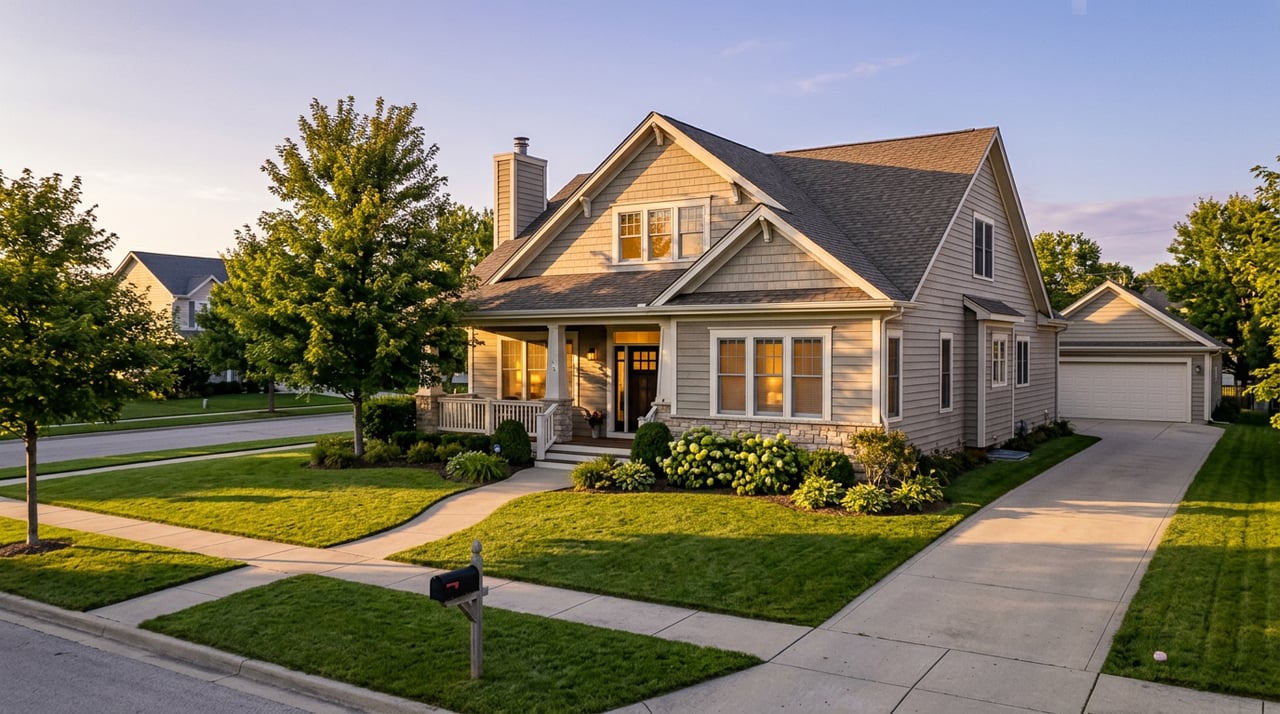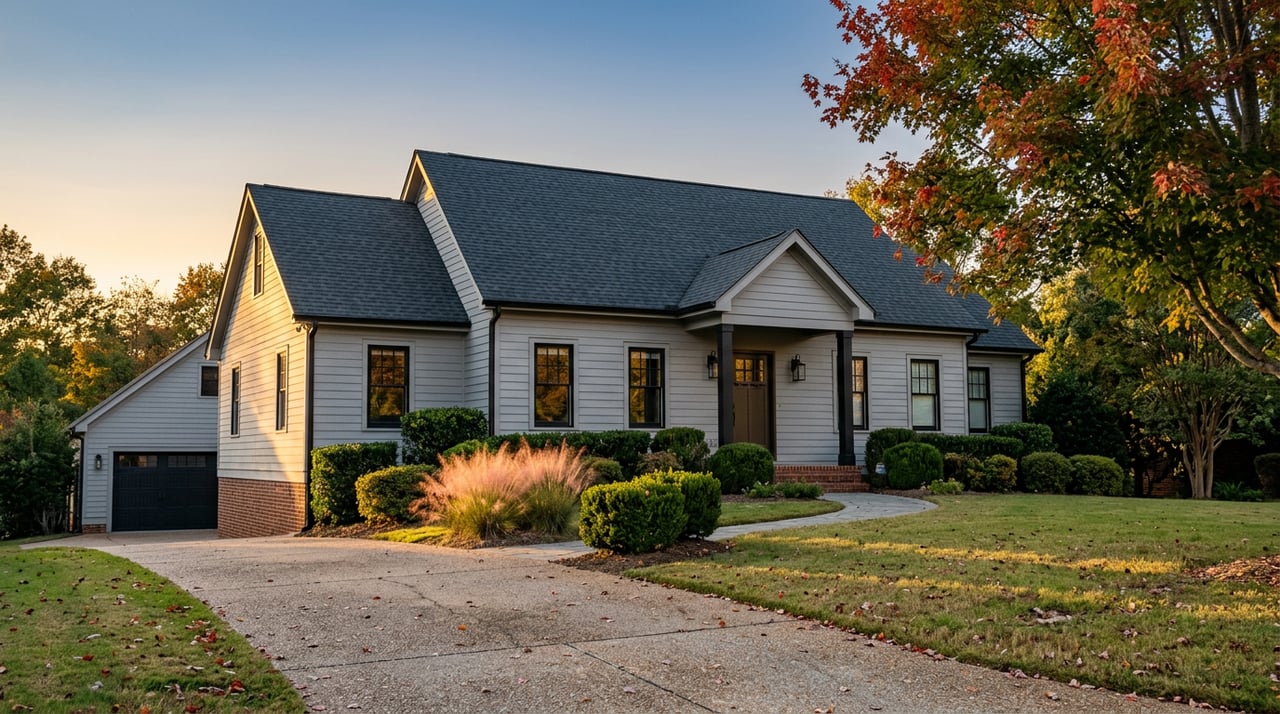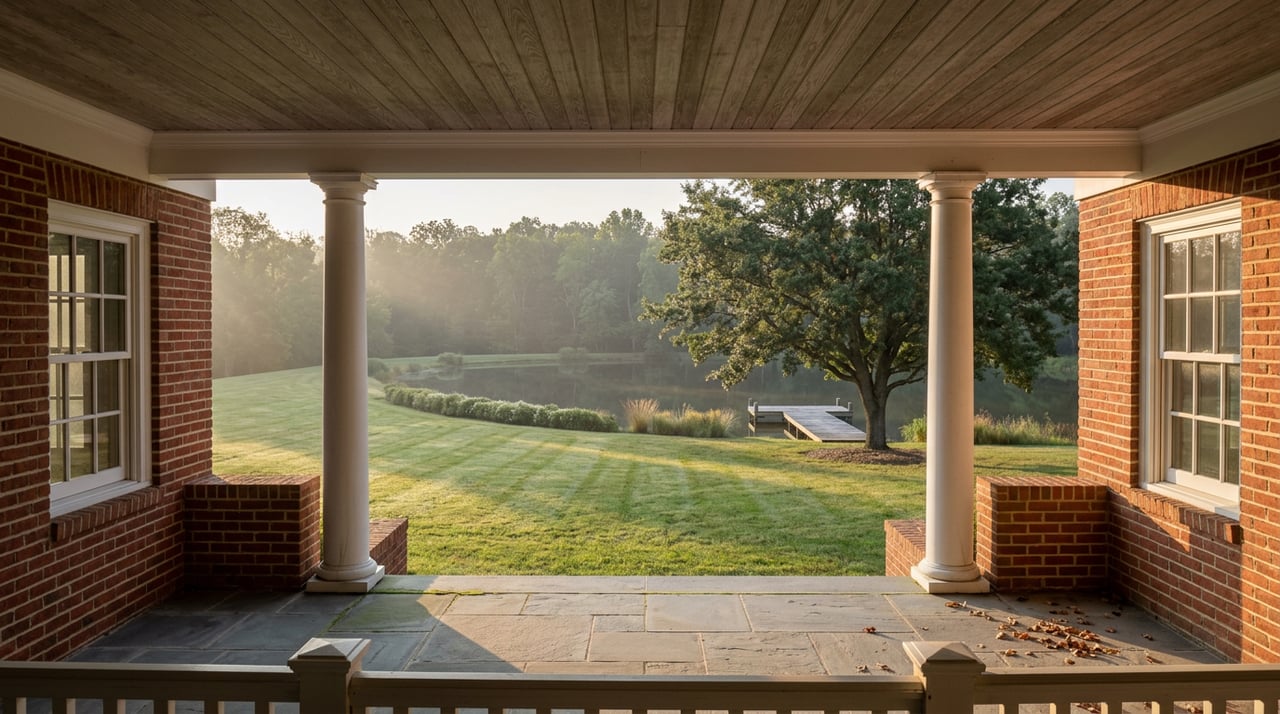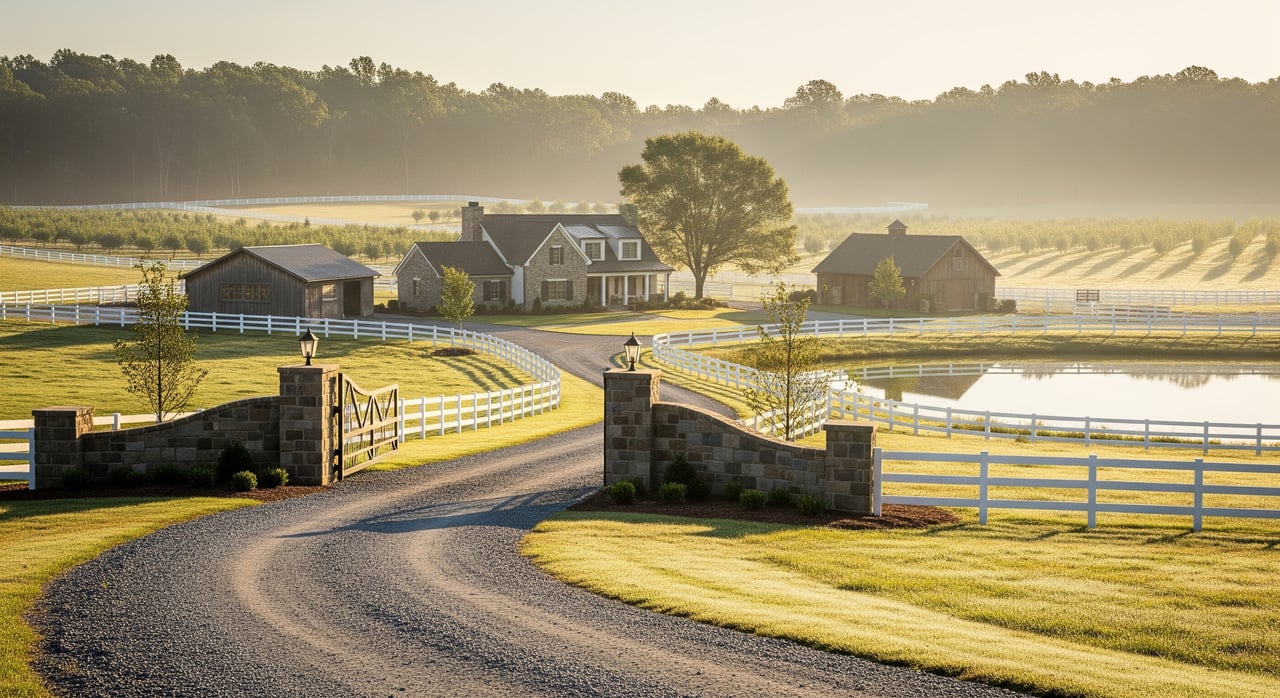
Dreaming of room to spread out in Milton, GA, whether for a custom home, a small hobby farm, or a long-term land investment? You are not alone. Buying acreage is exciting, but the details around zoning, utilities, access, and permits can be confusing. This practical starter guide shows you how to evaluate land in Milton with confidence and move from idea to ownership. Let’s dive in.
Milton acreage at a glance
Milton sits in northern Fulton County and blends estate neighborhoods with rural tracts and equestrian properties. Acreage buyers here usually focus on custom homes, hobby farms, land banking, or parcels with subdivision potential. Rules and approvals can involve both the City of Milton and Fulton County, so jurisdiction matters.
Before you fall in love with a property, identify your end use. A single custom home, a barn and pasture, or future lot splits each triggers different zoning rules, utilities, and timelines. The steps below will help you confirm what is possible on a specific parcel.
Zoning and permitted uses
Zoning controls what you can build, where you can build it, and whether you can keep animals or split lots. Start with the official sources and verify everything in writing.
Confirm the jurisdiction
Some parcels are inside Milton city limits while others are only in unincorporated Fulton County. Rules and permits can differ. Check boundary and zoning details with the City of Milton and search parcel records through the Fulton County Government portal or the Fulton County Board of Assessors.
Read the ordinance and district standards
Once you know the zoning district, review permitted uses, minimum lot size, setbacks, and height limits. Milton’s rural and estate districts often allow equestrian uses, but specific requirements vary by parcel and any overlays. If your use is unclear, request a zoning verification or permitted-use letter from the City of Milton.
Subdivision potential and lot splits
If you hope to split acreage later, study minimum lot sizes, road frontage requirements, and infrastructure standards. Lot splits and subdivisions generally require a formal plat, approvals, and possibly impact fees or road improvements. Ask the planning department about the process and timing before you write an offer.
Private covenants and HOAs
Recorded covenants or HOA rules may limit animals, outbuildings, fencing, and accessory dwellings. Pull recorded documents through the county clerk or ask your title company to include them in the title commitment. These private rules are separate from zoning and must be honored.
Environmental overlays and buffers
Floodplains, stream or watershed buffers, and steep slopes can reduce your buildable area. Overlays may also trigger additional permits or mitigation. Early checks save time and help you design the site wisely.
Utilities, wells, septic, and access
Feasibility and cost often hinge on how you will get water, wastewater service, power, internet, and legal access to a public road.
Water and sewer basics
Large parts of Milton do not have central sewer. If sewer is not available, you will need a septic system. Septic feasibility depends on soils, topography, and setbacks, and permitting runs through county and state rules. Coordinate early with Fulton County Environmental Health via Fulton County Government and review state-level guidance from the Georgia Environmental Protection Division. If public water is not available, a domestic well may be needed.
Pro tip: call utility providers with the parcel address or PIN to confirm availability and tap or extension fees. Ask sellers for any past well or septic permits.
Power, gas, and internet
Check the distance to the nearest electric lines and natural gas lines. Extending service to a remote site can be a meaningful expense. Internet options vary by location; some rural pockets rely on satellite or fixed wireless. Ask providers for accurate availability and cost estimates before you commit.
Road access and driveways
Verify legal access in the title work and survey. If the parcel fronts a public road, driveway permits may be required from the city or county. For frontage on a state route, follow Georgia Department of Transportation encroachment and driveway rules. If access is via a private road or shared drive, request the maintenance agreement and clarify cost sharing.
Site evaluation checklist
Walk the land and pair your observations with official maps and professional input. Use this checklist to focus your due diligence.
- Access and title
- Confirm recorded public road frontage or an easement. Ensure the title commitment shows all easements and restrictions.
- Topography and buildable area
- Identify high, dry ground and note steep slopes that can raise site costs. Sketch a preliminary building envelope with likely septic areas.
- Soils and drainage
- Review soil types using the USDA NRCS Web Soil Survey and plan for a septic evaluation. Soil characteristics influence foundations, erosion control, and stormwater design.
- Floodplain and wetlands
- Check flood zones on the FEMA Flood Map Service Center. Screen for potential wetlands via the U.S. Fish & Wildlife Service National Wetlands Inventory; a specialist can delineate if needed.
- Trees and conservation
- Identify specimen trees and stands that you want to preserve. Some areas may have conservation buffers or habitat considerations; the USFWS IPaC tool helps screen for protected species and habitat.
- Existing improvements and site history
- Inspect old wells, septic systems, barns, or sheds. Ask about past uses and review county records for any environmental concerns.
- Utilities and site work budget
- Get written estimates to extend power, drill a well, install septic, and build the driveway. Include erosion control and potential culverts.
- Survey and boundaries
- Order a current, certified boundary survey. Confirm setbacks, easements, and the likely building envelope.
Suggested professionals: a licensed surveyor, a septic designer or soil consultant, a civil engineer for grading and stormwater, an arborist if mature trees are a priority, and a local builder for realistic site-costs.
Permits, timelines, and costs
Every parcel is different, but a clear sequence helps you plan. Build in extra time for approvals and weather.
- Pre-offer checks, days to weeks
- Confirm zoning and jurisdiction, verify basic access, and screen for major constraints like floodplain or extensive buffers. Pull assessor records and request a preliminary title commitment that shows easements and covenants.
- Due diligence, 4 to 12+ weeks
- Order a boundary survey and preliminary site plan. Complete soils testing for septic. Request utility availability letters and line-extension quotes. If wetlands are suspected, consider a delineation. For custom homes, schedule geotechnical or topographic surveys.
- Permitting, weeks to many months
- Apply for septic permits through the county after soils review. Coordinate well permits and drilling if needed. Secure driveway or encroachment permits through the city, county, or GDOT depending on road type. Apply for building permits with the City of Milton and confirm any planning approvals or public hearings for larger projects or variances.
Budget categories to plan for include purchase and closing costs, surveys, soils and septic, well drilling, utility extensions, driveway and road work, permitting and professional fees, and ongoing maintenance such as fencing, driveway grading, and erosion control. For taxes and parcel IDs, work with the Fulton County Board of Assessors.
Smart buying strategy in Milton
Define your end use, then align your search to the right zoning and utility profile. Ask for a zoning verification letter, utility availability confirmations, and any recorded covenants early. Your first hires should be a Milton-focused real estate advisor and a licensed surveyor; together they will surface red flags fast.
If you plan for equestrian use, verify stable and manure management rules, setbacks from property lines, and any odor or noise standards. For land banking or future splits, analyze minimum lot sizes, road frontage, and likely road or utility improvements before you run numbers. If a state route is involved, factor in GDOT driveway requirements. When in doubt, schedule time with the City of Milton planning staff and confirm details in writing.
Ready to take the next step with discreet, expert guidance tailored to Milton acreage and estate properties? Connect with Andrea Seeney for a private conversation about your goals, off-market opportunities, and a step-by-step plan. Request a Confidential Consultation and move forward with clarity and confidence.
FAQs
How do I verify legal access for a Milton acreage parcel?
- Order a title commitment and a certified boundary survey to confirm public road frontage or a recorded easement, then confirm road status with the City of Milton or Fulton County.
Can I keep horses or build a barn on Milton acreage?
- Often yes in rural or low-density districts, but you must confirm the parcel’s zoning, setbacks, and any private covenants that govern animals and outbuildings.
Will I need a septic system and a well in Milton?
- Many rural parcels require septic, and some also need a well; confirm public utilities early and coordinate septic and well feasibility with Fulton County Environmental Health.
How long does it take to be permit-ready on acreage?
- A straightforward lot can be ready in a few months, while parcels with septic, well, utility extensions, or wetlands may take 6 to 18 months depending on approvals.
What are the biggest hidden costs when developing acreage?
- Utility line extensions, septic installation, driveway construction, stormwater controls, and professional fees often exceed initial expectations and should be budgeted early.
Who should I hire first for a Milton land purchase?
- Start with a Milton-focused real estate advisor and a licensed surveyor; then add a septic designer, civil engineer, and builder as your site plan takes shape.