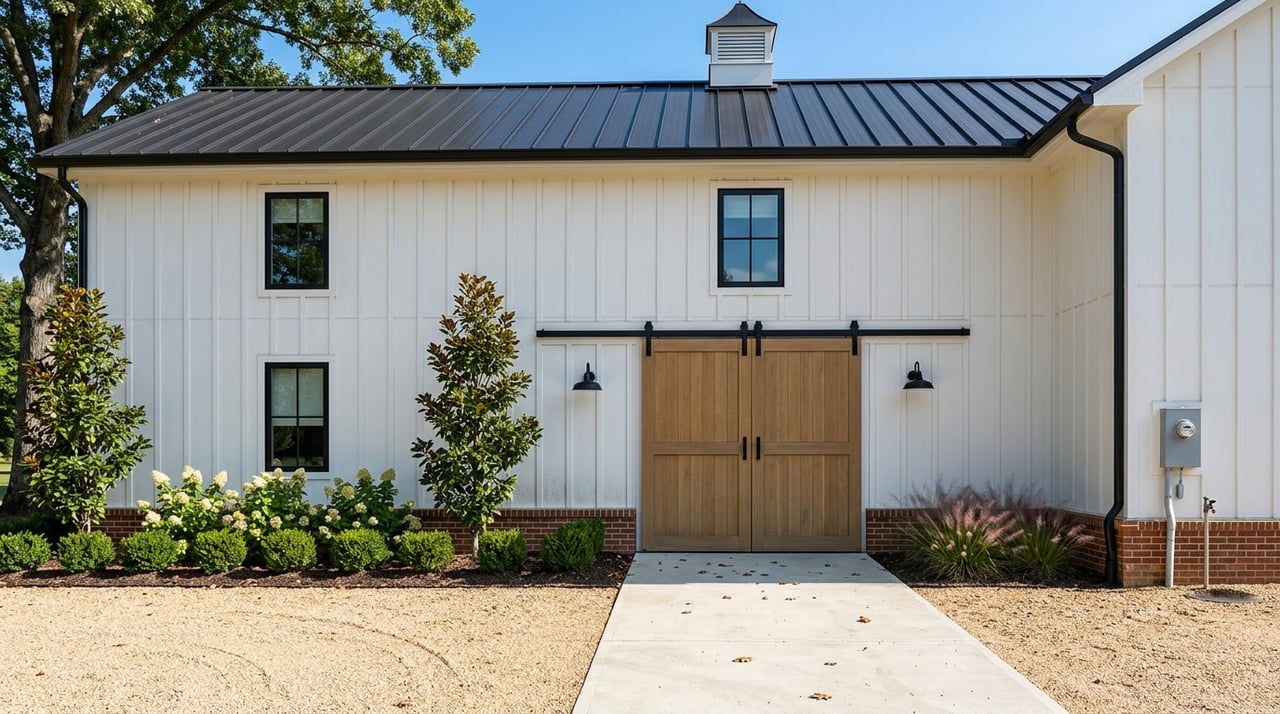
If you are dreaming about a few acres, a barn, a garden, or space for horses in Milton, it is easy to fall in love with the idea before you study the land. That is completely understandable because Milton’s rural feel is a big part of its appeal. But a hobby farm here is not just a home purchase, it is a property planning decision. Knowing what to check before you buy can help you avoid expensive surprises and move forward with confidence. Let’s dive in.
Why Milton attracts hobby-farm buyers
Milton stands out in North Fulton because its land-use pattern still leans rural and low density. According to the city, more than 90% of Milton’s land is low or very low-density residential, in part because sewer-line expansion has been limited in rural areas.
For you as a buyer, that means Milton can offer the setting many hobby-farm buyers want: larger tracts, more open space, and a countryside feel that is increasingly hard to find. It also means every parcel needs close review because land-use rules, utilities, and site conditions play a major role in what you can actually do.
Start with zoning, not just acreage
A common mistake is assuming that if a property has enough acreage, it will work for a hobby farm. In Milton, acreage is only part of the picture. Zoning, frontage, lot width, road type, and parcel shape all matter.
One of the most relevant zoning categories for hobby-farm-style properties is AG-1. Milton’s code materials show that AG-1 lots can be as small as 1 acre on paved roads and 3 acres on unpaved roads, with frontage and width standards that vary depending on the road.
The city also increased the minimum lot width at the building line to 150 feet in 2022 to help preserve Milton’s rural appearance. So even if a parcel looks large enough on paper, the layout may affect where you can place a home, barn, driveway, paddock, or other improvements.
Why current rules matter
Milton has been actively revisiting AG-1 standards in 2025 and 2026. Recent discussions have included lot coverage, natural area buffers, and survey requirements for certain minor plats.
That matters because zoning assumptions can age quickly. Before you make an offer, you should verify the current rules for the exact parcel instead of relying on an old listing description or a general understanding of what AG-1 used to allow.
Check animal use early
If your vision includes horses, chickens, goats, pasture, or similar uses, confirm those details at the start of your search. Milton’s code-enforcement FAQ explains that outside agricultural zoning, the city limits the number of domestic animals or livestock allowed on a single premises.
In other words, a property may look rural without actually supporting the use you have in mind. If animals are central to your plan, the zoning district should be one of the first items you confirm.
Rural appearance does not equal farm rights
This is one of the biggest misunderstandings buyers face in Milton. A parcel with fencing, open land, or a country lane may still have restrictions that affect livestock, poultry, or accessory structures.
Milton also treats some agricultural activities differently from standard residential use. For example, the city says non-agricultural open burning is generally prohibited, while AG-1 land has seasonal exemptions after May 1 for certain agricultural burns, subject to fire-danger restrictions.
Plan for barns, sheds, fences, and future improvements
On a hobby farm property, the home is only part of the equation. You may also need room and approval for a barn, run-in shed, workshop, fencing, driveway work, or utility extensions.
Milton states that residential permits are generally required for new homes, additions, detached accessory structures, storage sheds, fences, and work involving plumbing, electrical, or HVAC service. The city also performs inspections during construction.
That means future improvements should be part of your due diligence before closing. If a property only works if you can add a barn or install a fence line in a certain location, you should investigate that before you buy.
Land disturbance can trigger added review
Milton’s land-development rules add another layer for larger projects. A Land Development Permit is required if a project exceeds 1 acre of land disturbance, is within 200 feet of state waters, or creates more than 5,000 square feet of new impervious surface.
For a hobby-farm buyer, that can affect plans for a long driveway, grading, expanded paddocks, drainage work, or larger outbuildings. It is smart to think several steps ahead if you are buying land for both current use and future improvements.
Understand water, septic, and utility service
Utility planning is especially important in Milton because the city does not provide its own water or wastewater service. Residents receive those services either privately or through Fulton County Water Services.
Milton also notes that septic systems are generally used on lots of one acre and over. Homeowners are responsible for maintaining, repairing, or replacing their own septic systems.
For you, this makes septic and utility review a major part of the buying process. You will want to understand the septic system condition, drainfield location, water service source, and whether utility access is adequate for the way you plan to use the property.
Ask practical site questions
Before you move forward, consider asking questions like these:
- Is the property served by septic?
- Where is the drainfield located?
- Who provides water service?
- Are there utility constraints that could affect a future barn, guest structure, or workshop?
- Will planned improvements require additional utility coordination?
These are not minor details on acreage. They can shape how the property functions day to day.
Look closely at drainage and runoff
A beautiful field after a dry showing can behave very differently after heavy rain. Milton’s stormwater materials note that runoff can affect neighboring properties and waterways and can contribute to erosion and flooding if it is not managed properly.
That is especially relevant on a hobby farm where driveways, paddocks, barns, and open land all influence drainage patterns. Grading, low spots, runoff paths, and the placement of future structures deserve close attention.
Walk the property with use in mind
When you tour a property, try to picture how water moves across the site. Think about where animals would be kept, where feed or equipment might be stored, and whether access roads or turnout areas could become muddy or difficult to maintain.
A hobby farm often involves more outdoor infrastructure than a typical residential lot. The land itself needs to support your plan, not just the listing photos.
Review covenants, easements, and HOA rules
City zoning is only one part of the picture. Private restrictions can still affect what you can do with a property.
The Georgia Attorney General explains that homeowners associations are private, not governmental, bodies. That distinction matters because a property may meet zoning requirements while still being subject to recorded covenants, easements, or HOA rules that limit structures, fencing, or certain uses.
Pull documents before you are deep in the process
If you are serious about a hobby-farm property, recorded documents should be reviewed early. This is especially important if you plan to add structures, change grading, or hold the property for long-term flexibility.
In Milton, where parcel-specific rules and AG-1 standards are actively discussed and updated, early document review can help you avoid a mismatch between your goals and the property’s limits.
Expect a different maintenance lifestyle
A hobby farm in Milton can be rewarding, but it usually comes with more direct property management than subdivision living. Septic upkeep, drainage, fencing, animal care, and general site maintenance often fall more squarely on the owner.
Milton’s public-works information supports that reality, especially around septic responsibility and stormwater management. If you want acreage, privacy, and flexibility, it helps to be honest about the time, planning, and maintenance that come with it.
A smart pre-offer checklist for Milton
Before you make an offer on a potential hobby farm, use a checklist like this:
- Confirm the parcel’s zoning district and any overlay district.
- Verify lot size, frontage, and road type.
- Confirm whether animals, barns, sheds, and fences are allowed as planned.
- Review current AG-1 standards if you may build or make site changes.
- Pull recorded covenants, easements, and HOA rules early.
- Confirm septic, water service, and utility access.
- Ask whether planned grading, driveway work, or structures will require permits or inspections.
- Study drainage, runoff, and the general layout of the land.
This kind of due diligence can save you from buying a property that fits the dream but not the actual use.
Why guidance matters in Milton
Milton offers some of the most appealing acreage opportunities in North Atlanta, but the best hobby-farm purchases are usually the result of careful analysis. You are not just buying a house. You are evaluating zoning, access, utilities, improvements, and long-term usability.
That is where a local, detail-oriented approach matters. In a market like Milton, strong guidance can help you identify the right parcel, ask better questions early, and negotiate with clarity before issues become costly.
If you are considering a hobby farm or acreage property in Milton, working with an advisor who understands land, due diligence, and the nuances of North Fulton can make the search far more strategic. For discreet guidance and a highly tailored approach, connect with Andrea Seeney.
FAQs
What should you check before buying a hobby farm in Milton?
- You should confirm zoning, lot size, frontage, animal allowances, utility service, septic details, drainage patterns, and any private covenants or easements before making an offer.
Does Milton zoning automatically allow animals on rural-looking properties?
- No. Milton limits domestic animals and livestock outside agricultural zoning, so a rural appearance does not automatically mean the property supports your intended use.
Do barns and sheds in Milton usually require permits?
- Yes. Milton states that residential permits are generally required for detached accessory structures, storage sheds, fences, and certain work involving plumbing, electrical, or HVAC service.
Why is septic important for a Milton hobby farm?
- Septic matters because Milton says lots of one acre and over generally use septic systems, and homeowners are responsible for maintaining, repairing, or replacing them.
Can drainage affect a hobby farm property in Milton?
- Yes. Milton’s stormwater guidance notes that runoff can contribute to erosion and flooding and can affect neighboring properties and waterways, so site grading and water flow deserve careful review.
Are private covenants important for hobby farm buyers in Milton?
- Yes. Even if city zoning appears to allow your plans, recorded covenants, easements, or HOA rules may still restrict certain structures or uses.